The Ultimate Guide To Saving Peptides: Ideal Practices For Optimum Effectiveness & Long Life Dripdok Aid Facility
Updated Information Tirzepatide Attained Substantial Weight Reduction

Exactly How To Store Peptides After Reconstitution For Optimum Effectiveness
Lyophilized powder appearance modifications show moisture absorption or various other deterioration. Fresh lyophilized peptides look like fluffy white or off-white powder. Yellowing, clumping, or a shrunken cake recommends problems. Fridge storage inherently gives light protection because the light turns off when the door shuts. Nonetheless, regular fridge access may expose peptides to a lot more light than expected. Brownish-yellow vials or additional containers give additional protection.Retatrutide Active Component
These peptides still call for typical temperature and light safety measures. Yet their compact sequences mean fewer susceptible deposits and less structural complexity to keep. Semaglutide protocols tend to be longer than many peptide cycles, typically covering 12 weeks or even more with steady dosage acceleration. This extended timeline makes appropriate storage and aliquoting specifically vital. Reconstituting just enough for four weeks at a time and maintaining the rest as lyophilized powder is the ideal approach.- The key distinction is in the details formulations and their stability profiles, which vary by maker and preparation method.
- If peptides ever before had a major downside, it's that they are notoriously conscious their environment.
- Wrap vials in aluminum foil or shop them in an opaque box inside the fridge.
- The mechanism behind tirzepatide's effectiveness in non-diabetic people is additionally being discovered.
It promotes deamidation, where asparagine and glutamine residues convert into different amino acids. It makes it possible for oxidation by dissolving oxygen that attacks at risk deposits like methionine and cysteine. And it provides the tool where germs can grow, introducing biological contamination on top of chemical destruction. A lot of Click to find out more peptides are incredibly secure in their lyophilized powder form. The problem begins the moment water strikes that powder.
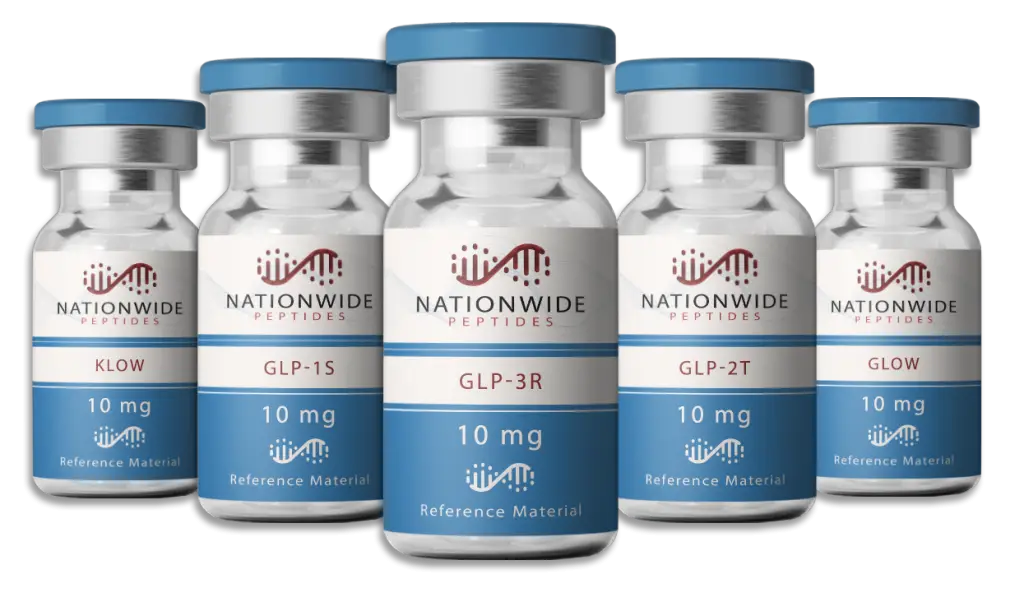
Copper peptides, especially the type known as GHK-Cu, have gained significant interest for their exceptional ability to support skin wellness and regeneration. Research laboratory benchtops are usually well-lit atmospheres. Every moment a peptide vial spends exposed to Pharmaceutical Research that light enables photodegradation to proceed, particularly for peptides containing aromatic amino acids. AOD-9604 and other weight loss peptides generally reveal good security when lyophilized. Conventional frozen storage at minus twenty degrees is commonly adequate for expected use durations. The amino acid sequence identifies susceptability to particular deterioration pathways, indicating some peptides call for even more careful storage than others.
Many peptide remedies are basically odorless, so any type of solid smell warrants investigation. Cloudiness in the reconstituted remedy suggests aggregation, especially common with hydrophobic peptides. While some peptides naturally generate a little turbid remedies, a remarkable rise in cloudiness compared to fresh material indicates deterioration. The sensible obstacle is that many labs do not have inert gas easily available at the benchtop. For genuinely oxidation-sensitive peptides, investing in a tiny nitrogen or argon cyndrical tube with suitable regulatory authority can significantly prolong life span. Light-induced deterioration influences peptides containing aromatic amino acids like tryptophan, tyrosine, and phenylalanine, in addition to peptides with disulfide bonds.